Everything you need to find out about radon
Radon is one of minority environmental dangers we have some control over. The very first step in reduction is examining to see if the domestic and/or indoor-air water radon concentrations should be lowered. The Globe Health and wellness Company's International Radon Task has recommended an activity degree of 100 Bq/m3 (2.7 pCi/l) for radon in the air.
Radon synergizes with lung health hazards such as tobacco smoke to multiply lung cancer risk13,14. However, unlike cigarette usage, radon breathing is reliable as well as not addicting screening and also mitigation strategies exist15. Thus, radon direct exposure represents an easily avoidable root cause of the most typical and also dangerous cancer cells type, and is a top priority area of public wellness treatment and cancer prevention. Decomposing 222Rn emits alpha fragment ionizing radiation, badly harmful DNA as if is practically impossible for our cells to fix without presenting hereditary errors16.
Does seller have to fix radon?
It's very likely that your future buyer will make you fix the radon problem before they will purchase the home. It's good to just take care of it during your real estate deal. Sometimes the seller pays for it all, sometimes they fund a credit and sometimes there is a split.
The majority of these solutions for radon mitigation need upkeep, and it is necessary to consistently replace any kind of followers or filters as needed to continue proper functioning. Because research, a significant outcome (95% CI) was obtained for the Bq/m3 category.
The dangers to your health and wellness from radon
It is heavier than air so reduced locations of buildings and also houses are typically extra influenced. Cellars, spaces over concrete slabs and also locations over crawlspaces can have high radon levels. The more of it you take a breath, incorporated with the focus of it, add to the danger variable. According to the EPA, radon eliminates greater than 20,000 individuals annually!
Is radon really a big deal?
Radon is a radioactive gas that has been found in homes all over the United States. It comes from the natural breakdown of uranium in soil, rock, and water and gets into the air you breathe. Radon typically moves up through the ground to the air above and into your home through cracks and other holes in the foundation.
According to the Environmental Protection Agency, radon is one of one of the most significant health problems encountering our population today. While this gas does not posture prompt health and wellness runs the risk of the way carbon monoxide gas does, in time, radon direct exposure can substantially raise one's threat for lung cancer. In fact, radon exposure is the 2nd leading cause of lung cancer in this nation, right behind cigarette smoke. It is odor free, chemically inactive and colorless, a natural item of the disintegration of uranium.
Why is radon bad for you?
Radon produces a radioactive dust in the air we breathe. The dust is trapped in our airways and emits radiation that damages the inside of our lungs. This damage, like the damage caused by smoking, increases our risk of lung cancer.
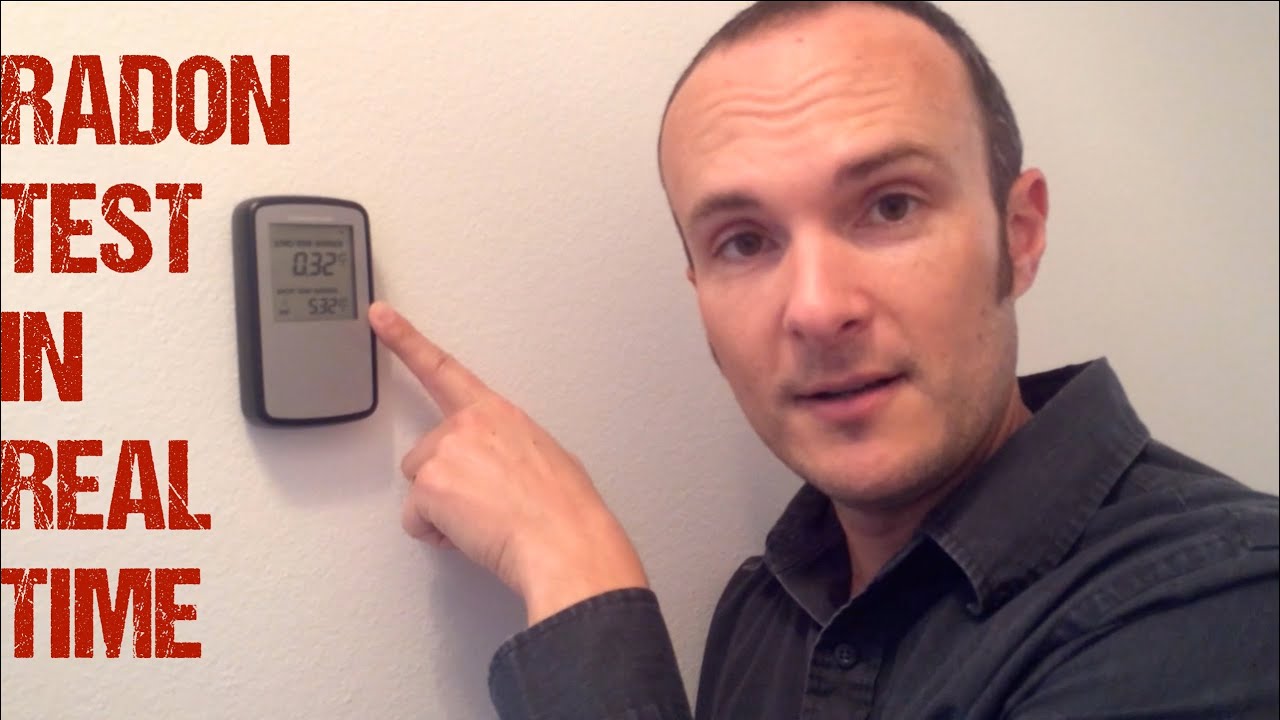
How long do you have to be exposed to radon before it becomes a problem?
Radon is a radioactive gas and exposure to it causes 21,000 lung cancer deaths per year—only smoking causes more. Because you can't see, smell or taste radon, it's important to periodically test the air in your home. Believing you live in a region not affected by radon is just one of the myths about this deadly gas.
How much does radon cost per gram?
Radon is available at a cost of about $4/mCi.
- The Canadian standard for radon in indoor air for houses is 200 Becquerels per cubic metre (200 Bq/m3).
- Throughout the years, information that tracks radon levels suggests that a large portion of Pennsylvania residences have a significant radon trouble.
- Radon gas is dangerous, and also if the issue goes unattended, the radon concentration continues to increase inside your house.
- Since of their proximity to the location, New Jacket homes and also Delaware residences are thought about at risk as well.
- Radon gas enters your house or various other residential property from the outdoors, and with time, progressively builds up to harmful degrees that can cause a raised threat of lung cancer or respiratory problems.
Is my house in a radon affected area?
Outside of your home, it remains at low levels and is relatively harmless. In the indoor environment, it wreaks havoc on your lungs. Radon is a carcinogen that causes lung cancer. While increased levels of radon can occur in the soil beneath any home, there are specific areas of the country that are at a higher Click here to find out more risk.
What is radon in the home?
Radon is a radioactive gas that has been found in homes all over the United States. It comes from the natural breakdown of uranium in soil, rock, and water and gets into the air you breathe. Radon typically moves up through the ground to the air above and into your home through cracks and other holes in the foundation.

What causes radon?
Being exposed to radon for a long period of time can lead to lung cancer. Radon gas in the air breaks down into tiny radioactive elements (radon progeny) that can lodge in the lining of the lungs, where they can give off radiation. This radiation can damage lung cells and eventually lead to lung cancer.
Is it hard to sell a house with radon?
Fortunately, it's not hard to sell a house with radon, provided that you alert potential buyers and mitigate the problem, say Brian Thomas, a top real estate agent in the Denver, Colorado area, with 16 years of experience. “For as much fear and uncertainty as radon causes, there's an easy fix.”
How often should you test for radon?
Living pattern changes Whenever there is a change in your home, you should perform local radon testing. It's also recommended that you test your home for radon at least twice a year too. If your tests come back unusually high, then you should order one or two more tests so that you can compare the results.
How common is radon in a home?
It's common: About 1 in every 15 homes has what's considered an elevated radon level. The gas is odorless and invisible, says the EPA, and it causes no immediate symptoms, so the only way to know if your home is affected is by testing your individual residence.
Can I install my own radon mitigation system?
In most cases, pros charge about $1,500 to install a radon mitigation system, but you can do it yourself for only about $500 in materials. So if https://www.4shared.com/office/IeHkS0lXea/258871.html you're fairly handy and have some carpentry, plumbing and electrical skills, you can install your own system in a weekend and save yourself a thousand bucks!